
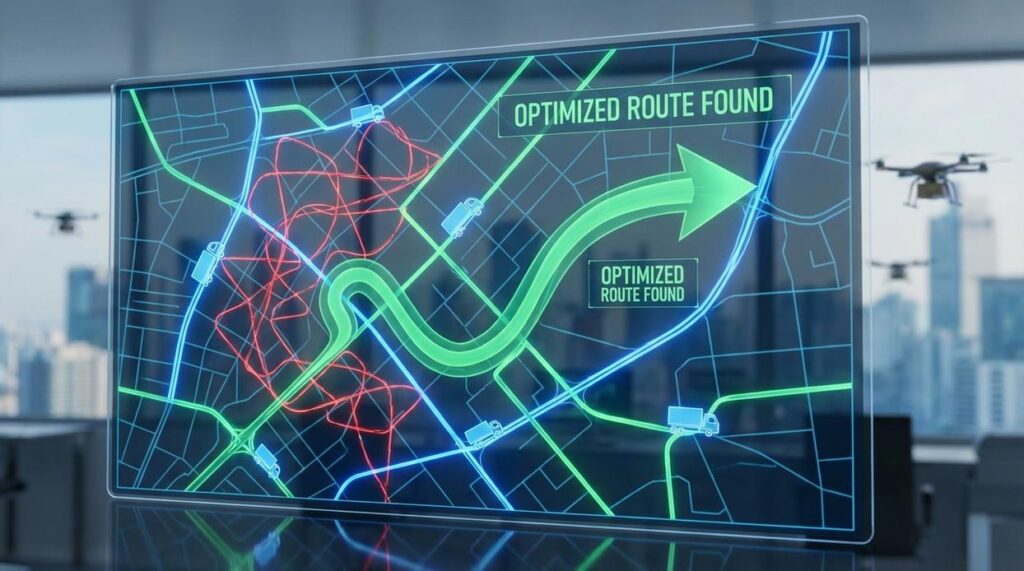
You’ve mastered optimal routes, nailed the standard glitches, and pushed your personal best further than most players ever will. But now you’re stuck. Those last seconds won’t fall without a leap in precision, discipline, and mechanical control. Breaking through this wall means stepping fully into hard level speedrunning, where frame-perfect inputs, advanced sequence breaks, and ruthless combat optimization define success. In this guide, we analyze high-level competitive runs, cross-reference elite player strategies, and translate their methods into a technical, actionable framework. You’ll learn how to systematically practice, implement, and refine the techniques required to shatter your current records.
Mastering Sub-Pixel Precision and Frame-Perfect Inputs
By mastering advanced route planning and techniques, you can not only conquer the hardest levels in speedrunning but also reduce the frustrating lag that can arise from poor network conditions, making insights from our article on network optimization essential for achieving your best times – for more details, check out our Network Optimization Tips to Lower Ping and Packet Loss.
The first time I missed a “guaranteed” jump by a single frame, I stared at the screen in disbelief. The character’s foot clearly touched the ledge. But the timer doesn’t care about feelings.
Sub-pixel positioning refers to tracking movement in fractions of a pixel—values the game engine calculates even if you can’t visibly see them. Those decimals determine whether you clip a corner or land safely. Frame-perfect inputs are button presses executed on one exact frame—often 1/60th of a second—where success and failure live side by side.
Some argue these techniques only matter for elite players. I used to think that too. But once you attempt hard level speedrunning, you realize consistency depends on mastering them, not dismissing them.
Technique 1: Input Buffering
Input buffering means queuing an action slightly early so the game executes it on the first available frame.
- Press jump during landing lag so it fires instantly when control returns.
- Use dialogue boxes or menu closes to “store” directional inputs.
- Trigger actions during attack animations to guarantee frame-one execution.
(Pro tip: practice buffering in low-risk areas until the timing feels automatic.)
Technique 2: Visual & Audio Cue Training
Look for subtle signals:
- A character’s foot fully planting.
- A flicker in a sprite animation.
- A specific sound effect finishing.
I trained by lowering music volume and isolating jump sounds. Eventually, the cue felt rhythmic—almost musical (like learning a drum fill in a rock band).
Practical Application
Take a classic frame-perfect jump in a retro platformer. Hit it, and you skip a ladder climb, saving seconds. Miss it, and you reset. Multiply that across a run, and those 1/60th-second decisions become the difference between average and elite.
Advanced Route Manipulation: Glitches and Sequence Breaks
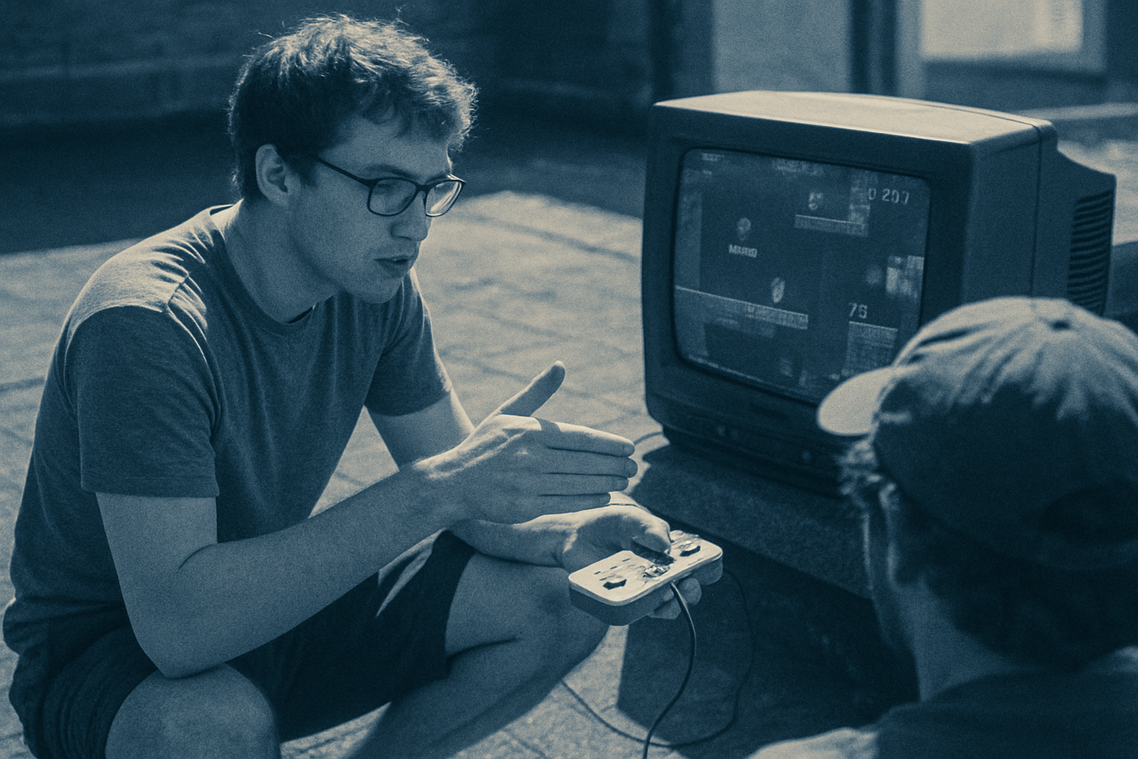
Beyond standard skips lies a different beast entirely. If basic routing is like taking side streets to avoid traffic, advanced glitches are more like tunneling through the mountain. Risky. Precise. Sometimes explosive.
Technique 1: Clipping and Out-of-Bounds
Clipping forces a character model through solid geometry—walls, doors, even floors—by exploiting how collision detection (the system that tells the game what is “solid”) is calculated. Think of collision like a security guard checking IDs. If you overwhelm the guard at the right angle, you slip past.
Corner clips wedge the character into two intersecting surfaces until the engine “ejects” them through. Slope clipping abuses angled terrain, where momentum and incline calculations briefly disagree (like arguing GPS apps giving conflicting routes). Physics object manipulation uses movable props to push or compress the player past boundaries.
Critics argue these methods are too inconsistent for serious hard level speedrunning. They’re not wrong—execution windows can be frame-perfect. But when mastered, these techniques erase entire sections of intended gameplay.
Technique 2: Wrong Warping & Memory Corruption
Wrong warping manipulates load order—triggering assets in an unintended sequence so the game “forgets” where you are and relocates you elsewhere. Memory corruption goes deeper, altering stored values so the game rewrites reality mid-run.
It’s like rearranging a library’s index cards so the librarian hands you the final chapter first.
Risk vs. Reward
These strategies are unstable by nature. A failed clip might cost seconds. A failed corruption attempt can end a run instantly. Pro tip: always build backup routing for post-failure recovery.
Some purists argue mastery should mean playing as intended. That perspective fuels guides like how to beat infamously difficult boss fights without exploits. But for glitch hunters, breaking the system is the mastery (and sometimes the spectacle).
Combat Optimization: Animation Cancels and Damage Boosting
The goal is simple: spend less time in mandatory fights and more time moving. In high-tier play—especially in hard level speedrunning—combat isn’t about flair. It’s about shaving frames.
Technique 1: Advanced Animation Canceling
Animation canceling means interrupting an attack before its recovery frames (the ending portion where you’re stuck in place) fully resolve. Most players stop at basic attack-to-dodge cancels. That’s entry-level.
At advanced levels, you can:
• Cancel recovery by interacting with climbable ledges on the exact landing frame
• Swap weapons mid-swing to override recovery animations
• Buffer a jump on frame-perfect impact to reset grounded states
For example, heavy cleave weapons in Act III catacombs have 18–24 recovery frames. Swapping to a lighter offhand during frame 12 truncates the lockout entirely (yes, it feels illegal). Some argue this borders on exploit territory. But if it’s engine-consistent and tournament-legal, it’s optimization—not cheating.
Pro tip: Record at 60fps minimum and count frames manually. Guesswork costs seconds.
Technique 2: Strategic Damage Boosting
Damage boosting is intentionally taking a hit to gain momentum or positional advantage. When struck, your character enters knockback displacement—temporary forced movement. With correct angle manipulation, this can:
• Propel you across broken bridge gaps
• Skip ladder climbs
• Clip through thin collision seams
Health management is critical. You must track minimum survivable thresholds and manipulate enemy windups. Shieldbearers in Foundry corridors are ideal: predictable thrust vectors, consistent knockback angles.
Critics say taking damage is sloppy play. In reality, controlled damage is resource conversion—HP traded for time.
Boss-Specific Strategies
Analyze bosses through three lenses:
- AI pattern forcing (stand in specific quadrants to trigger fast cycles)
- Damage stacking (bleed + environmental hazard ticks for burst kills)
- Phase skip thresholds (overlapping stagger windows)
If you’re not studying behavior trees, you’re reacting—not optimizing.
From Theory to Execution: Integrating New Strats Into Your Runs
You’ve seen the blueprint. You understand the skips, the damage boosts, the frame-tight inputs that define hard level speedrunning. But knowing a strat exists isn’t the same as landing it when your PB is on the line.
The real bottleneck? Muscle memory under pressure.
Many guides stop at explanation. What they miss is execution science: isolating variables. Instead of grinding full runs, strip the strat into micro-components:
- Setup positioning
- Visual cue recognition
- Input timing window
- Recovery plan if it fails
Practice each piece independently. Then chain them together. This method works because you’re converting conscious effort into automatic response (think learning a combo in a fighting game).
Some argue full-run reps build “real” consistency. True—but only after refinement. Sloppy reps ingrain sloppy habits.
Choose one technique. Drill it until you hit 9 out of 10 clean executions. Then integrate it. Consistency first. Speed second.
Mastering the Next Stage of Your Hell-Level Play
You came here to sharpen your edge, push past brutal mechanics, and finally break through the walls that have been holding your runs back. Now you have the strategies, optimizations, and tactical insights needed to approach every encounter with precision instead of frustration.
The biggest pain point in high-difficulty play isn’t effort — it’s inefficiency. Wasted movement, poor routing, and small mechanical errors are what separate stalled runs from record-setting clears. Whether you’re refining boss patterns or diving into hard level speedrunning, the difference comes down to disciplined execution and optimized strategy.
Now it’s time to act. Apply these tactics in your next session. Analyze your replays. Tighten your routes. Push for cleaner inputs and smarter decision-making. Players who consistently improve don’t just grind — they optimize.
If you’re serious about dominating the toughest challenges and shaving critical seconds off your clears, keep training with proven strategies and competitive-level insights trusted by top-tier players. Don’t settle for “almost.” Level up your play, refine your system, and start turning brutal stages into controlled victories today.
