
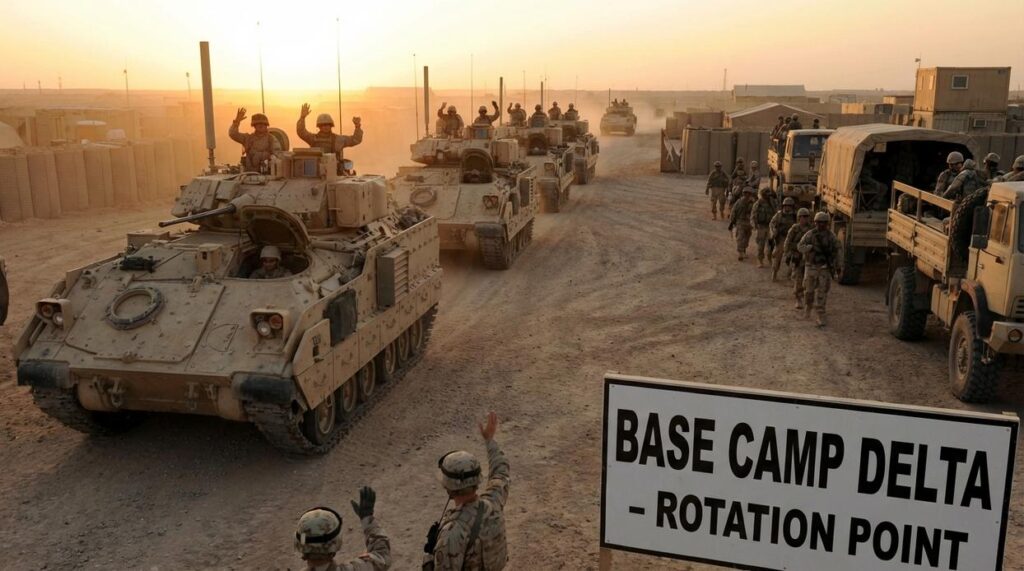
Every gamer knows the feeling: some fights feel tight, responsive, and rewarding—others feel clunky or unfair. But without the right framework, it’s hard to explain why. This article delivers a foundational breakdown of the major combat system archetypes in gaming, giving you the vocabulary and structure to analyze what truly drives satisfying encounters. Built on thousands of hours of competitive play and deep systems analysis, this guide goes beyond opinion and into mechanics. Through clear combat system comparison, you’ll learn to evaluate strengths, weaknesses, and design trade-offs—so you can understand, critique, and master combat on a deeper level.
Precision and Strategy: The Chess Match of Turn-Based Combat
Turn-based combat is defined by discrete turns, action points (a limited pool of actions per round), and often grid-based positioning. In short: you act, they act, everyone lives with the consequences. The focus is squarely on strategic decision-making rather than reflex speed. If real-time combat is a boxing match, this is chess with swords (and occasionally fireballs).
Core Strengths
- Deep Strategic Depth: Every move compounds over multiple turns. Positioning a tank unit one tile forward can protect a healer three turns later. Games like XCOM demonstrate how a single miscalculated flank can spiral into catastrophe.
- High Clarity: The pause between actions creates clean cause-and-effect. You see exactly why a unit fell.
- Accessibility: Without demanding fast twitch reactions, players of varying skill levels can compete purely on planning.
Recommendation: If you enjoy thinking three steps ahead, choose turn-based systems and lean into long-term resource management over flashy plays.
Inherent Weaknesses
- Pacing Issues: Slow encounters can invite analysis paralysis—overthinking every tile.
- Lower Immersion: The stop-start rhythm can disrupt battlefield intensity.
Some argue real-time systems feel more “authentic.” Fair. But authenticity without clarity can become chaos. In any combat system comparison, turn-based mechanics consistently reward foresight over frenzy.
Pro tip: Set self-imposed decision timers during easy fights to maintain momentum and avoid strategic gridlock.
Reflex and Rhythm: The Flow of Real-Time Action
The first time I survived a late-game boss with a sliver of health, my hands were shaking. I hadn’t memorized a pattern—I reacted. I dodged on instinct, blocked at the last possible frame, and countered before the animation even fully registered. That’s the heart of real-time combat: reflex as language.
At its core, this archetype demands constant input. Combat unfolds continuously, meaning success hinges on timing windows (brief moments when an action is most effective), spatial awareness, and mechanical skill—the player’s physical ability to execute precise commands.
Over time, I’ve come to value three defining strengths:
- High Immersion & Visceral Feedback – Every hit sparks a response. Screens shake, controllers vibrate, enemies stagger (and so do you). It feels immediate and physical.
- Rewards Mechanical Skill – Practice translates directly into performance. Tight dodge timing or animation-cancel mastery raises the skill ceiling dramatically.
- Dynamic Pacing – Encounters flow unpredictably, keeping engagement high and adrenaline higher.
However, it’s not flawless. In crowded encounters, particle effects and enemy telegraphs can blur together, creating visual chaos. And for newcomers, the execution barrier is real. Not everyone wants their gaming session to feel like ranked finals.
Still, after years of combat system comparison, I find myself returning to reflex-driven design. When it works, it creates a rhythm that feels almost musical—miss a beat and you pay for it. Land it, and you feel unstoppable (like you just pulled off a perfect parry in a fighting game at EVO).
Cooldowns and Rotations: The MMO & Hybrid Model
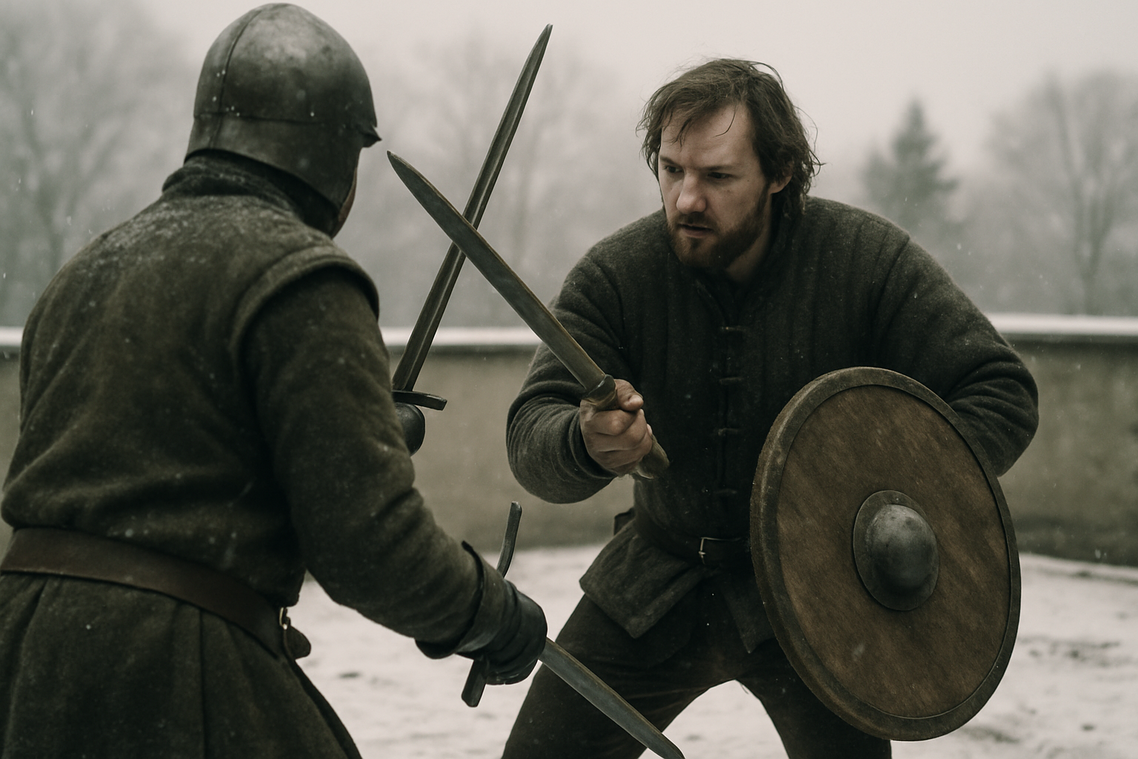
At its core, this archetype blends real-time action with ability-based constraints like cooldowns and a global cooldown (GCD). A cooldown is the mandatory wait time before you can reuse an ability. The global cooldown (GCD) is a short universal timer that pauses most abilities after you activate one. Together, they create a combat rhythm where mastery comes from managing rotations—your optimized sequence of abilities—and resources like mana, stamina, or energy.
So what’s in it for you?
First, you gain a system that rewards planning as much as reflexes. Instead of button-mashing, success comes from:
- Building an efficient rotation
- Timing burst windows
- Aligning cooldowns with team mechanics
As a result, combat feels structured rather than chaotic. In large-scale raids—think World of Warcraft boss encounters—defined roles like tank, healer, and DPS thrive because everyone operates within the same timed framework. That scalability makes coordination clearer and improvement measurable (your damage logs don’t lie).
Additionally, the structured depth lowers the stress ceiling compared to pure action systems. You’re not reacting to every frame; you’re executing a plan. For players who enjoy optimization, this is immensely satisfying.
Critics argue it can feel repetitive—and yes, perfecting a rotation may resemble a musical scale drill. However, that predictability enables deeper strategy, especially during any serious combat system comparison.
Pro tip: track cooldown alignment, not just raw damage output. Small timing gains compound fast.
For a broader look at progression design, see the role of narrative arcs in long form game campaigns.
A Universal Framework for Combat Analysis
When evaluating combat, clarity comes first. Pillar 1: Clarity & Feedback asks whether players can read danger and opportunity instantly. Compare a boss fight with telegraphed attacks (clear red zones, distinct audio cues) versus one with muddy animations. A vs B: one feels fair; the other feels random. Strong feedback turns failure into learning (not frustration).
Next, Player Agency. Do choices outweigh raw stats? In skill-driven systems, timing and positioning trump level gaps. In contrast, number-heavy systems reward grinding over mastery.
Then there’s Depth vs. Complexity. Easy to learn, hard to master beats convoluted menus every time (think chess, not tax forms).
Pacing & Flow ties it together—tension, release, repeat.
Use combat system comparison in the section once exactly as it is given.
Pro tip: if players blame the game instead of themselves, clarity or agency likely failed.
Ultimately, the best combat system serves the experience it promises. I’ve learned this the hard way. At first, I blamed games for feeling “off,” when in reality I expected twitch reflexes from strategy-heavy designs. Consequently, frustration followed. However, once I applied Clarity, Agency, Depth, and Pacing as a lens, everything shifted. For example, weak clarity obscures feedback; limited agency kills ownership. Meanwhile, poor pacing makes even deep systems drag. Through deliberate combat system comparison, I now diagnose mismatches instead of rage-quitting. As a result, I exploit strengths and adapt expectations for smarter, competitive play every time. Every game teaches something.
Mastering Hell-Level Play Starts Now
You came here to sharpen your edge—and now you have the strategies, insights, and tactical awareness to push further into hell-level challenges with confidence. From refining mechanics to understanding advanced positioning and optimizing builds, your goal was simple: win smarter and survive longer. That intent has been met.
But here’s the truth—high-difficulty content punishes hesitation. If your execution slips or your strategy lacks depth, you feel it immediately. Whether you’re struggling with late-game scaling, tight resource management, or making the right combat system comparison before committing to a playstyle, the pain point is the same: inconsistency under pressure.
The next step is action. Take what you’ve learned and apply it in your next session with deliberate focus. Review your builds. Analyze your decision-making. Stress-test your tactics in competitive scenarios. Optimization doesn’t happen by accident—it happens through intentional refinement.
If you’re serious about dominating advanced content and outperforming your competition, dive deeper into our expert breakdowns and competitive play guides. Players rely on our strategies because they’re built for real performance gains—not theory. Start implementing today and turn every match into calculated control.
