

The gaming landscape is evolving faster than ever, and staying ahead of gaming trends 2026 means understanding more than just new releases. Players are looking for deeper mechanics, smarter multiplayer tactics, higher difficulty ceilings, and competitive optimization that goes beyond surface-level play. This article is built to meet that search intent directly—breaking down the most important shifts in core mechanics, campaign design, multiplayer strategy, and hell-level challenges that will define the competitive scene in 2026.
We’ve analyzed emerging gameplay systems, studied high-level competitive play, and examined how developers are refining difficulty scaling and player progression. By combining hands-on strategic insight with trend analysis across top-performing titles, this guide delivers practical, experience-backed perspectives—not speculation.
Whether you’re pushing for leaderboard dominance or mastering advanced campaign mechanics, you’ll gain a clear understanding of where the industry is heading and how to adapt your strategy to stay ahead in 2026.
Beyond the Hype: What Gaming in 2026 Actually Feels Like
This is about feel, not features. By 2026, AI-driven enemies adapt mid-fight, learning your patterns and punishing lazy rotations. Campaigns branch based on micro-decisions, not just dialogue trees. Multiplayer becomes INFORMATION WARFARE. Teams track cooldown economies, terrain data, and psychological pressure in real time. If you hesitate, the meta shifts. What does that mean for you? Drill adaptability. Study patch notes like scouting reports. Optimize builds weekly, not seasonally. Expect shorter feedback loops and higher skill ceilings. Most gaming trends 2026 lists obsess over hardware, but edge is decision speed.
The AI Revolution: Campaigns That Learn and Adapt
From Scripted to Systemic
For years, campaigns relied on scripted encounters—pre-programmed enemy spawns and fixed story beats that triggered the same way every time. Predictable? Yes. Replayable? Not always. Now, AI directors (systems that dynamically control gameplay variables in real time) analyze your playstyle—aggressive flanker, cautious sniper, loot-obsessed explorer—and adjust level layouts, enemy compositions, and even narrative branches accordingly.
What’s in it for you? No two runs feel identical. If you steamroll early missions, expect smarter ambushes and tighter resource drops. Struggle with stealth? The system may open alternative paths or shift patrol logic. It’s like having a dungeon master who refuses to let you get bored.
NPCs with Memory
In 2026, non-player characters aren’t just quest dispensers—they track your choices. Help a faction early on and they may reinforce you later. Betray them, and that rivalry can escalate into dynamic boss encounters. This persistent memory system (long-term behavioral tracking tied to player decisions) creates emergent storytelling—unscripted narrative outcomes shaped by your actions.
The benefit is clear: your campaign becomes personal. Alliances feel earned. Enemies feel vindictive. (And yes, that merchant you insulted might remember.)
The End of the “One True Meta”
AI-driven balancing now adjusts weapon stats and ability cooldowns in real time during single-player. If one build dominates, the system subtly recalibrates damage scaling or enemy resistances.
• Encourages tactical flexibility
• Rewards experimentation
• Prevents stale strategies
Instead of chasing a fixed optimal build, you sharpen adaptive thinking. That’s the heart of gaming trends 2026: campaigns that push back. The result? Smarter moment-to-moment decisions—and a strategy skillset that actually evolves with you.
Multiplayer’s Next Arena: Cloud-Native Worlds and Latency-Free Tactics
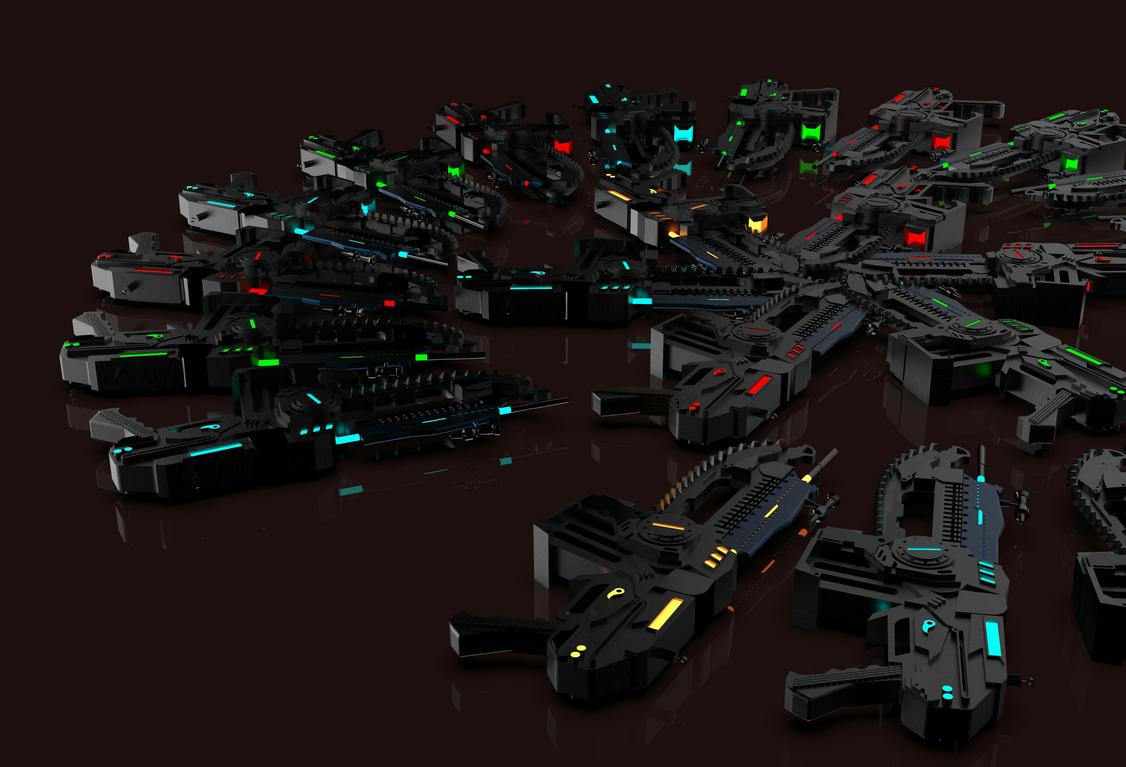
First, let’s clarify a term you’ll hear everywhere: cloud-native. Unlike traditional cloud gaming (where a console game is simply streamed from a remote server), cloud-native games are built entirely in the cloud. That means core systems—physics, AI, destruction models—run server-side. The result? 1,000-player battles, fully destructible cities, and persistent world states (maps that remember what players did yesterday). Think less “match resets in 20 minutes,” more “digital war that evolves for weeks.”
However, scale alone isn’t the real revolution. The bigger shift is latency reduction. “Peeker’s advantage” — the split-second edge a player gets by seeing you before you see them due to network delay — has long warped competitive shooters. With edge computing and modern netcode (the system that synchronizes players across servers), that gap is shrinking dramatically (NVIDIA, 2025; Riot Netcode Update, 2024). Consequently, firefights become a purer test of reaction time and positioning—not Wi-Fi luck.
So what should you do differently?
- Prioritize strategic positioning over twitch peeks.
- Train communication drills with squads, not just aim trainers.
- Learn macro-objectives (supply lines, territory control) instead of obsessing over K/D.
In fact, new competitive formats will reward coordinated platoons over lone wolves. Massive objective-based wars are replacing small-team deathmatches. If you’re still grinding solo highlight plays, you’re preparing for yesterday’s ladder.
Looking at broader gaming trends 2026, the smart move is clear: join large-scale modes early, experiment with leadership roles, and practice tactical patience. After all, in persistent worlds, every decision echoes (and yes, that includes your reckless flank).
The New “Hell-Level”: Evolving Monetization and Player Progression
First, let’s define a key shift. Skill-based monetization means players unlock premium rewards by mastering mechanics—not by simply logging hours. In the post-loot box economy, randomized rewards (once criticized as gambling-adjacent systems, see UK Gambling Commission reports, 2023) are giving way to challenge-driven battle passes. By 2026, elite tracks will require frame-perfect parries, advanced movement tech, or flawless raid clears. In other words, you can’t just grind—you have to get good.
Some argue this creates elitism. Not everyone can hit “hell-level” execution, and critics say monetization tied to mastery punishes casual players. Fair point. However, the counterbalance is optional prestige. Core progression remains accessible; the highest tiers simply reward excellence. Think Elden Ring’s toughest bosses—beatable, but unforgettable if conquered.
Meanwhile, Player-Created Content (PCC) is becoming the true endgame. Marketplaces for community-built levels, cosmetics, and challenge modes are emerging as central pillars—an evolution aligned with gaming trends 2026. Unlike basic mod support, these systems integrate ranked validation and revenue sharing. The best creators design brutal gauntlets that redefine difficulty itself.
To navigate this landscape, players must specialize. Unlocking top-tier content increasingly demands focused skill trees and mechanical mastery. (Jack-of-all-trades builds? Risky.) For deeper ecosystem shifts, see the rise of cross platform play and its impact on modern gamers.
Pro tip: Track your performance metrics weekly. Optimization now beats repetition.
Indie mechanics are no longer side projects; they’re precision-built sandboxes around one obsessive idea. Thanks to Unreal Engine 5+ and other accessible tools, solo developers can craft hyper-niche gameplay loops AAA publishers deem too risky. Hyper-Niche Gameplay means designing an entire experience around mastering one system—think Papers, Please meets Elden Ring-level depth. Critics argue these games lack mass appeal. Yet depth builds loyalty, and loyalty shapes gaming trends 2026.
• Singular mechanics create competitive mastery.
• Focused systems enable rapid iteration.
As players demand complexity, giants must adapt or risk feeling shallow. Pro tip: prototype the core loop before expanding.
Mastering the Game of Tomorrow
First, let’s be honest. I used to chase every patch note and exploit, convinced the latest build would carry me. It didn’t. When AI-driven campaigns shifted objectives mid-match and cloud-native multiplayer battles scaled beyond small-team tactics, I fell behind. Meanwhile, evolving gaming trends 2026 exposed my shallow mechanics.
However, the real lesson was simple: fundamentals win. Map awareness, timing windows, resource control—skills that outlast metas. Progression systems now reward precision, not gimmicks. So instead of upgrading hardware, upgrade thinking. Adapt quickly, read dynamic systems, and refine core mechanics daily. That’s how tomorrow’s leaders pull ahead.
As players navigate the top gaming trends dominating 2026, the anticipation surrounding the release of titles like Hondingo88 is proving to be a game-changer in shaping the industry’s future – for more details, check out our When Hondingo88 Releases.
Dominate the Next Level of Competitive Play
You came here to sharpen your edge—and now you have the mechanics, strategies, and tactical insights to compete at a higher level. From mastering core systems to adapting multiplayer decision-making under pressure, you’re better equipped to take on hell-level challenges without second-guessing your moves.
The reality is this: competition is getting faster, smarter, and more ruthless. Falling behind on gaming trends 2026 means getting outplayed by those who adapt first. Staying stagnant is the biggest risk in competitive play.
The good news? You don’t have to figure it out alone.
If you’re serious about climbing ranks, optimizing builds, and dominating every match, start applying these strategies today and plug into a resource trusted by thousands of competitive players. We’re one of the fastest-growing hubs for high-level tactical breakdowns and performance optimization.
Don’t just play—outplay. Study the meta. Refine your mechanics. Take action now and turn your next session into your breakthrough.
