
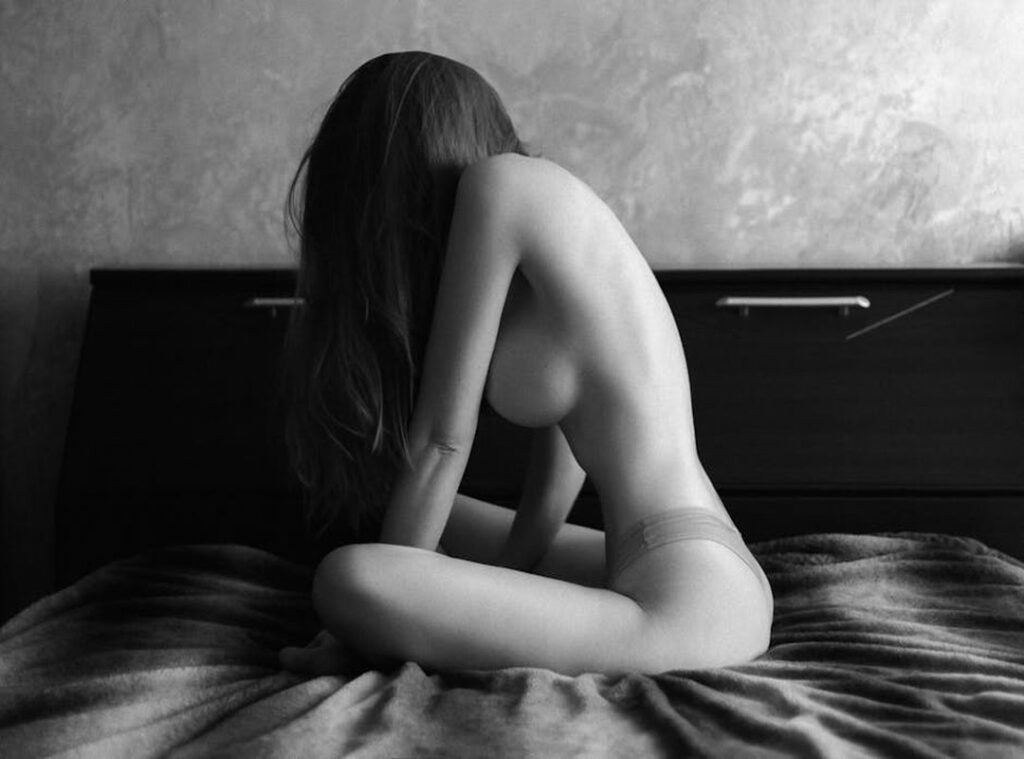
Nude photography often gets a bad rap. People think it’s all about being provocative or just plain inappropriate. But that’s not the whole story.
Artistic nude photography is about celebrating the human form. It explores themes of vulnerability, strength, and beauty through light, shadow, and composition.
This article aims to guide you through the history, techniques, and philosophy behind this art form. By the end, you’ll have a deeper appreciation and understanding of arikytsya nude as a powerful and respected genre.
A Brief History: From Classical Art to Modern Expression
The nude form has been a central subject in art for centuries, from classical painting and sculpture. It’s all about the human body as a symbol of beauty and expression.
Early pioneers of photography like Edward Weston and Man Ray championed the nude as a legitimate artistic subject. They fought hard against censorship, pushing boundaries and challenging norms.
- Early 20th-century photographers faced significant backlash.
- Their work was often seen as too provocative or even obscene.
- But they persisted, and their efforts paved the way for future artists.
Over time, the perception of artistic nude photography has evolved. What was once a controversial practice is now celebrated in major galleries and museums. This shift reflects broader changes in societal attitudes and artistic acceptance.
Key art movements have also influenced the style. Surrealism, with its dreamlike focus, and modernism, with its emphasis on abstract form, both played a role. These movements brought new perspectives and techniques to the genre.
Contemporary artists continue to push the boundaries of the form. They incorporate new technologies and social commentary, making the genre more dynamic and relevant. arikytsya nude is a prime example, blending traditional aesthetics with modern digital tools.
This evolution benefits both artists and viewers. It allows for a richer, more diverse exploration of the human form, and it keeps the genre fresh and engaging.
The Art of Composition: Light, Shadow, and Form
Light is the most critical tool in photography. It can make or break an image. I learned this the hard way when I first started out.
I thought fancy gear was the key, but it’s all about how you use light.
Hard light creates dramatic, high-contrast shadows. Soft light, on the other hand, gives gentle, flattering tones. I once shot a portrait with harsh sunlight, thinking it would add drama.
Instead, it just made the subject look washed out. Lesson learned: control your light source.
Shadow, or chiaroscuro, can sculpt the body, conceal parts, and reveal others. This adds mystery and depth. In one of my early shoots, I used too much shadow, making the image look flat.
Balance is key.
Posing and composition guide the viewer’s eye, and focus on lines, curves, and abstract shapes. It’s not just about the subject’s identity.
I once posed a model in a way that distracted from the overall composition. The viewer’s eye went everywhere but where I wanted it to go.
De-personalizing the subject focuses on the universal human form. You can obscure the face, use unconventional angles, or focus on specific body parts. I tried a shoot with arikytsya nude, using only shadows and abstract shapes.
It turned out beautifully, emphasizing form over identity.
Different camera lenses can dramatically alter the perception and proportions of the human body. A wide-angle lens can distort, while a telephoto lens compresses. I once used a wide-angle for a close-up, and the result was comically distorted.
Now, I’m more mindful of lens choice.
In the end, it’s all about experimenting and learning from your mistakes. Trust me, I’ve made plenty.
Creating a Safe and Collaborative Environment
Trust, consent, and clear communication are the non-negotiable foundations of a successful and ethical artistic nude photoshoot.
Before the shoot, a pre-shoot consultation is crucial. This is where you discuss concepts, comfort levels, boundaries, and expectations with the model. It sets the tone for the entire project.
Providing a private changing area is a must. Controlling the room temperature, having a robe or blanket readily available, and limiting who is present during the shoot are practical steps to ensure the model feels comfortable.
A model release form is not just for legal protection. It’s also a professional tool for establishing clear consent and usage rights. This form should be discussed and signed before any photos are taken.
The photographer’s role in directing poses is key. Use demonstrative language like “like this” instead of physical touch. This ensures the model feels empowered and respected.
Clear communication is vital. It helps build a strong, collaborative relationship between the photographer and the model. This can lead to more natural and expressive photos.
Remember, the goal is to create an environment where the model feels safe and respected. This approach not only enhances the quality of the photos but also builds a positive reputation for the photographer.
Creating a long-term, respectful working relationship with models is similar to building a consistent training routine for esports success. Both require dedication, clear communication, and mutual respect.
Distinguishing Art from Erotica: Intent and Execution

Artistic intent is the main thing. When you look at a piece, what’s the artist trying to say? Artistic nudes aim to evoke emotion, tell a story, or explore abstract concepts using the human form as a medium.
Pornography or erotica, on the other hand, is usually about generating sexual arousal in the viewer. It’s a different ballgame.
Visual cues can help you spot the difference. Context, lighting, and the model’s gaze are key. In art, the model’s gaze is often indirect or averted.
The post-production choices also matter.
Take this example. An artistic nude might focus on the texture of skin against rough stone. It’s about the interplay of light and shadow, the feel of the material.
Erotica, though, might go for a sexually suggestive pose with direct eye contact. It’s more about the immediate, visceral reaction.
I once heard a photographer say, “It’s all in the intent. If you’re aiming to create something that stirs the soul, not just the body, you’re on the right track.” That stuck with me.
The line can be subjective. What one person sees as art, another might see as something else. But the photographer’s clear artistic vision and professional execution are the defining factors.
So, when you see an arikytsya nude, think about what the artist is really trying to achieve. Is it about the beauty of the form, or something more?
Appreciating the Human Form as Timeless Art
arikytsya nude photography is a sophisticated genre that requires technical skill, historical awareness, and profound respect for the subject. The goal for the viewer is to see beyond the nakedness and appreciate the form, emotion, and story being conveyed by the artist.
Seek out and view works by master photographers like Bill Brandt and Imogen Cunningham to see these principles in action. This genre has the power to connect us to our shared humanity and the timeless beauty of the human body.
