
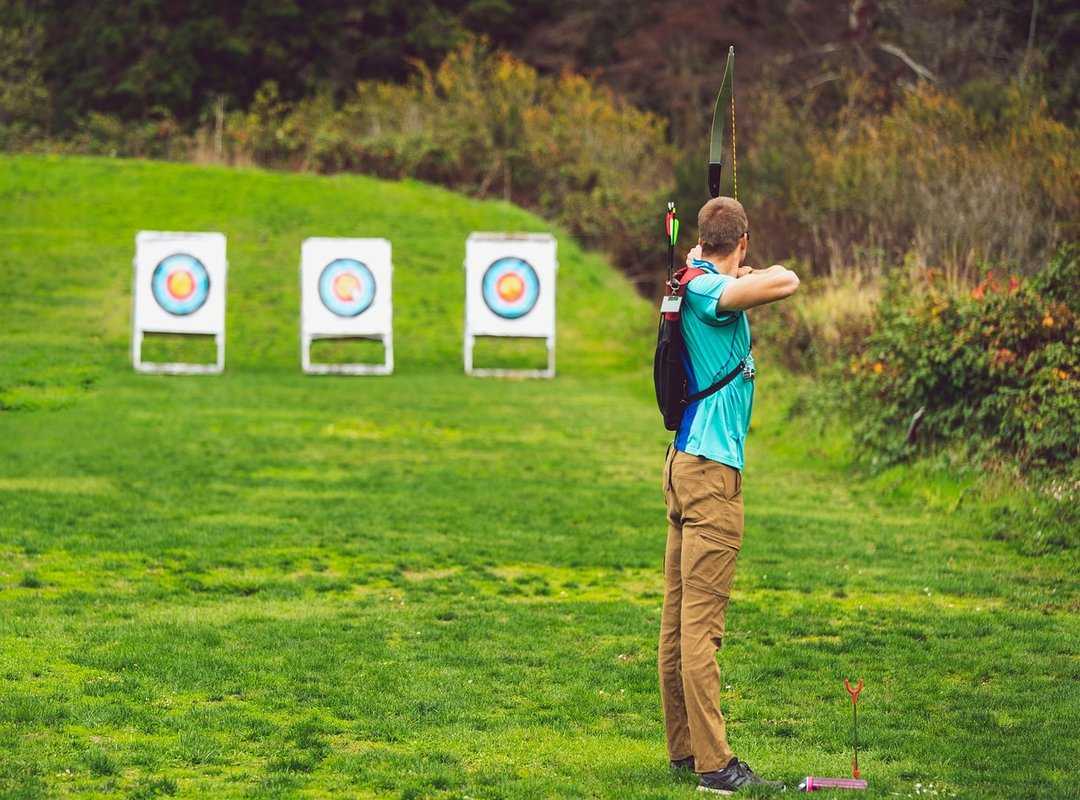
Ever felt that sting of losing a duel because your aim abandoned you at the worst moment? I’ve been there too. It’s frustrating knowing you should’ve nailed that shot, but didn’t.
This article is here to change that. We’re diving into the nitty-gritty of aim accuracy FPS. Forget the usual advice you’ve heard a million times.
I’ve spent countless hours in the trenches. Aim trainers, VOD reviews, climbing competitive ladders. My experience is distilled into actionable steps.
This isn’t just about shooting better. It’s about building that muscle memory and mental edge you need for consistent, high-level precision. You’ll leave with concrete strategies to raise your game.
Ready to turn those fumbling frags into flawless headshots? Let’s get started.
Your Gear and Settings: The Unskippable Foundation
Gear alone won’t make you a pro, but the right setup can clear the path. It’s like having a solid foundation for a house. Without it, everything else crumbles.
We all know a good mouse and mousepad are non-negotiable. Why? A good sensor ensures your movements are tracked accurately.
And a large mousepad? It’s your runway, letting your arm glide smoothly without hitting the brakes.
Ever heard of eDPI? It’s a combo of DPI (dots per inch) and in-game sensitivity. Think of it as your comfort zone for aim accuracy FPS.
You need enough space to move comfortably without sacrificing precision. But what’s the right sensitivity? Forget magic numbers.
It’s personal. I recommend the 180-degree turn test. Find a spot in-game, turn around smoothly.
If you overshoot or undershoot, tweak it. Comfort and consistency are key.
Monitors and FPS play a huge role too. A high refresh rate monitor (144Hz+) means you see more frames, like watching a movie with extra scenes. More frames mean smoother tracking and faster reactions.
You wouldn’t want to miss a key shot because your screen lagged, right?
And let’s not forget the importance of stable FPS. It’s like having a steady hand in a high-stakes game. If your FPS drops, your gameplay suffers.
For those looking to boost their skills, check out Improving Reaction Time Gamers. It’s packed with tips to get you reacting quicker in those intense moments. Remember, your setup is just the start.
It’s about removing barriers and letting your skills shine.
The Mental Game: Aiming with Your Brain
Let’s get straight to it. Most aiming guides miss the mark by focusing on the physical. But here’s the kicker: precision is just as much mental as it is mechanical.
You can’t just rely on your hand to do all the work.
Ever heard of crosshair placement as a lifestyle? It’s more than just aiming at head level. It’s about predicting where an enemy will pop up next.
Picture this: you’re clearing corners or holding an angle. You’ve got to think ahead, imagine where the threat is coming from, and place your crosshair accordingly. It’s a constant mental exercise.
Now, let’s talk active versus passive aiming. Passive aiming? That’s just letting your crosshair sit there, waiting.
Active aiming, on the other hand, means constantly making micro-adjustments. You’re reacting to sound cues, new information, and your overall game sense. This is what sets the great aimers apart from the good ones.
It’s changing, it’s alive.
Then there’s the dreaded “panic aim.” We’ve all been there. You tense up, your shots go wide, and you whiff what should have been an easy hit. How do you tame this beast?
Simple: focus on your breathing for a split second. Or, try consciously relaxing your grip on the mouse. These small mental cues can make a world of difference.
For those who want to up their game, working on aim accuracy FPS is key. It’s not just about practice; it’s about refining your mental game, too. The mind’s role is often underestimated in FPS games, but the real edge lies.
So, what’s your move? Are you going to let your hand do all the work, or will you use your brain to guide your shots? The choice is yours.
Drills That Actually Translate In-Game: Your FPS Gym
Let’s face it, aim trainers can be downright boring. But they’re the gym for your FPS skills. You wouldn’t skip leg day, right?
Well, maybe you would, but you get the point.
First up, the flick shots. Ever tried static dot clicking? It’s perfect for click-timing practice.
You build muscle memory for quickly snapping to a target. These drills are the backbone of aim accuracy in FPS games. They’re key when you’re out there trying to outgun your opponents fast and furious.
Then there’s tracking a moving target. It’s like chasing that fly buzzing around your room. You need smooth tracking for enemies in the open, and reactive tracking for those erratically strafing foes.
Longer time-to-kill games demand this skill. Miss a shot? You might end up seeing the respawn screen (again).
Switching targets quickly is another level entirely. Imagine you’re in a 1v2 or 1v3 situation. What do you do?
You have drills for that too. Fast target switching is one of those high-skill mechanics that can turn a fight on its head. It’s not just about aim accuracy FPS, it’s about predicting your enemies’ next move.
And here’s the kicker: knowing the right drills can even lead to plan competitive ladder success. As gamers, we’ve all been there. Practicing these drills regularly gives you an edge.
It’s like having the cheat code in a game without the guilt.
Remember, it’s not just about grinding these drills. It’s about understanding the ‘why’ behind them. Why do we need flick shots or target switching?
It’s because they mirror those intense in-game moments. The moments that separate the champions from the rest.
Mastering the Strafe-Aim Dance: FPS Techniques
I’ve been there. Stuck on the cusp of greatness, yearning to break into that hard to find top 1%. You know what I’m talking about.
Let’s talk movement aiming. The strafe-aim dance is where you synchronize your movement keys with your mouse. You’re not just moving randomly.
You’re making yourself a harder target while keeping your aim deadly accurate. It’s a core mechanic in high-level FPS games. Miss this, and you’re toast.
Ever heard of micro-corrections? After a flick, those tiny adjustments are key. They look like nothing but are everything.
This is where true precision lives. You can hit a headshot, but can you guarantee it every time? Only if you’ve honed this skill through countless hours.
Thousands of repetitions.
Then there’s VOD review. Record your gameplay. Watch it.
Missed shots are goldmines for improvement. Did you over-aim? Under-aim?
So, ready to push your aim accuracy to the next level in FPS games? It takes dedication. But if you’re serious about climbing the ranks, these techniques are non-negotiable.
Was your crosshair placement off? This feedback loop is your best friend. And let’s be real, even the pros do it.
Get out there and start grinding.
Aim True, Play Smart
Getting good at aim accuracy FPS isn’t magic. It’s practice. You know the pain when your mechanics slow down your strategic genius.
The approach here works because it builds that solid technical foundation while sharpening your mental game with drills the pros swear by.
Ready to get serious? Don’t overwhelm yourself. Pick just one drill from this guide.
Spend 15 minutes on it today. Before you dive into your next match, commit to this small step. Watch your skills evolve.
What are you waiting for? Start now and become the player you’ve always wanted to be.
 Troy Brookshireynolds has opinions about core mechanics and campaigns. Informed ones, backed by real experience — but opinions nonetheless, and they doesn't try to disguise them as neutral observation. They thinks a lot of what gets written about Core Mechanics and Campaigns, Expert Insights, Hell-Level Game Challenges is either too cautious to be useful or too confident to be credible, and they's work tends to sit deliberately in the space between those two failure modes.
Reading Troy's pieces, you get the sense of someone who has thought about this stuff seriously and arrived at actual conclusions — not just collected a range of perspectives and declined to pick one. That can be uncomfortable when they lands on something you disagree with. It's also why the writing is worth engaging with. Troy isn't interested in telling people what they want to hear. They is interested in telling them what they actually thinks, with enough reasoning behind it that you can push back if you want to. That kind of intellectual honesty is rarer than it should be.
What Troy is best at is the moment when a familiar topic reveals something unexpected — when the conventional wisdom turns out to be slightly off, or when a small shift in framing changes everything. They finds those moments consistently, which is why they's work tends to generate real discussion rather than just passive agreement.
Troy Brookshireynolds has opinions about core mechanics and campaigns. Informed ones, backed by real experience — but opinions nonetheless, and they doesn't try to disguise them as neutral observation. They thinks a lot of what gets written about Core Mechanics and Campaigns, Expert Insights, Hell-Level Game Challenges is either too cautious to be useful or too confident to be credible, and they's work tends to sit deliberately in the space between those two failure modes.
Reading Troy's pieces, you get the sense of someone who has thought about this stuff seriously and arrived at actual conclusions — not just collected a range of perspectives and declined to pick one. That can be uncomfortable when they lands on something you disagree with. It's also why the writing is worth engaging with. Troy isn't interested in telling people what they want to hear. They is interested in telling them what they actually thinks, with enough reasoning behind it that you can push back if you want to. That kind of intellectual honesty is rarer than it should be.
What Troy is best at is the moment when a familiar topic reveals something unexpected — when the conventional wisdom turns out to be slightly off, or when a small shift in framing changes everything. They finds those moments consistently, which is why they's work tends to generate real discussion rather than just passive agreement.