
If you’re searching for advanced strategies to dominate hell-level challenges, optimize your builds, and outplay the competition, you’re in the right place. This article is designed to break down the core mechanics, campaign strategies, multiplayer tactics, and high-difficulty optimizations that serious players need to stay ahead—especially in a modern live-service game model where balance shifts, meta changes, and seasonal updates can instantly reshape the competitive landscape.
Many players struggle not because they lack skill, but because they lack clarity. Endgame systems are complex. Competitive play demands precision. Small mechanical misunderstandings can cost entire runs. Here, we focus on actionable insights, tested strategies, and performance-driven adjustments that translate directly into better results.
Our analysis draws from extensive hands-on testing, high-level gameplay breakdowns, and deep mechanical evaluation to ensure every recommendation is practical, current, and competition-ready. Whether you’re pushing higher tiers or refining your multiplayer edge, this guide will help you optimize smarter and win more consistently.
Beyond the Launch: What Defines a Thriving Digital World?
A flashy launch means nothing if the servers feel like a ghost town three months later. The real test of a platform is staying power. In modern gaming, that usually means embracing a live-service game model—an approach where developers release ongoing content, balance updates, and seasonal events instead of treating launch day as the finish line.
So how do you spot long-term potential?
First, evaluate the core loop (the repeatable cycle of play, reward, and progression). If the basic actions aren’t fun on day one, no update will save them. Second, check the update cadence—are patches predictable and meaningful? Games like Fortnite and Warframe thrive because they evolve consistently (players notice when silence drags on).
Third, examine balance philosophy. Competitive titles must adjust overpowered strategies quickly to keep matches fair.
Look for transparent roadmaps, active community feedback, and steady content drops. These signals separate thriving worlds from soon-to-be-forgotten ones.
The Lifeblood of Engagement: Analyzing Content Cadence and Updates
First, let’s define what a healthy roadmap actually looks like. Not all updates are created equal. Minor patches fix bugs and rebalance mechanics (necessary, but hardly headline-worthy). Seasonal updates introduce limited-time quests, gear rotations, or balance shifts that refresh the meta. Major expansions, on the other hand, unlock new regions, systems, and campaign layers. When you understand the difference, you know what to expect—and you avoid the frustration of mistaking a tune-up for a transformation.
More importantly, consistency pays off. Platforms that thrive under a live-service game model deliver steady injections of quests, loot tiers, and playable zones. As a result, players stay sharp, adaptable, and competitive. Think of it like a long-running series that drops gripping new episodes every month (yes, the kind that makes you cancel weekend plans). The benefit? You’re never stuck grinding stale content.
Equally crucial is narrative continuity. Ongoing world events and evolving story arcs create a living environment. When the world remembers your victories—or your failures—you’re invested.
Finally, new content must enhance campaign strategy, not overwrite it. Smart integration strengthens existing builds while opening fresh tactical pathways. That means more depth, more replayability, and ultimately, more mastery for you.
Mastering the Core: Why Gameplay Mechanics Trump All
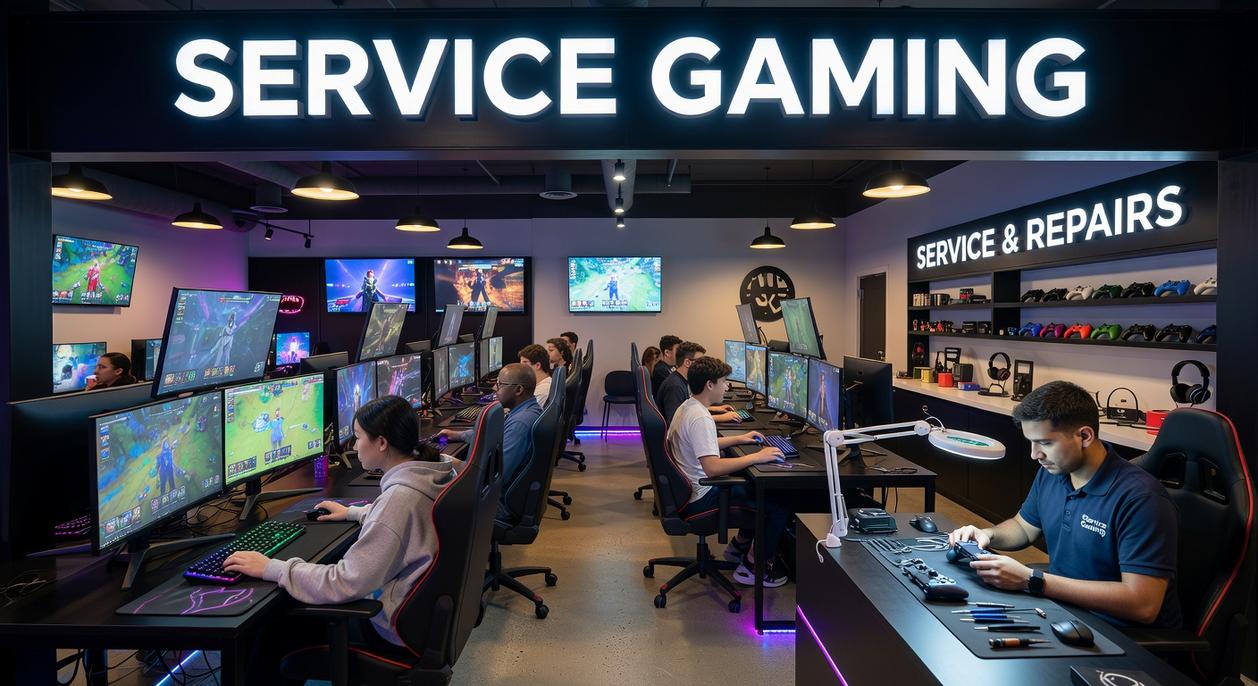
At the heart of every great game is its core gameplay loop—the repeated cycle of actions players perform, such as combat, movement, and ability use. In simple terms, it’s what you do over and over again. If that loop isn’t satisfying, no amount of flashy graphics will save it (yes, even with blockbuster-level cutscenes).
Some argue that story or visuals matter more. And while narrative depth absolutely enhances immersion, weak mechanics quickly drain excitement. Just look at titles praised for tight controls and responsive combat—players stick around because the moment-to-moment play feels good.
Multiplayer & Competitive Optimization
In competitive spaces, balance patches refine tactics and prevent dominant strategies from suffocating creativity. A “balance patch” is an update that adjusts abilities or stats to ensure fairness. Under a live-service game model, these updates arrive regularly, reshaping metas (the most effective tactics available) and rewarding adaptability.
Meanwhile, hell-level challenges—ultra-hard raids or endgame trials—serve as retention engines. They give veterans a proving ground where skill, not just gear, determines success.
That said, some players prefer progression systems where gear power leads. The problem? Overemphasizing stats can dilute mastery. As discussed in why indie titles are leading innovation in todays market, many developers now prioritize mechanical depth over raw scaling.
Ultimately, mechanics clarify skill expression—and that’s what keeps players improving long after launch.
The Economy of Play: Fair Monetization vs. Predatory Practices
Think of a game’s economy like a theme park. You’ve paid for entry—but what rides are included, and which require extra tickets? VALUE FOR MONEY comes down to whether those extra tickets feel optional… or mandatory.
- Battle Passes – A seasonal reward track where players unlock items by playing. Fair when rewards are mostly cosmetic and progression is achievable through regular play. Not fair when progress is painfully slow unless you pay (that’s less “bonus track,” more toll booth).
- Subscriptions – Recurring payments for ongoing perks. In a live-service game model, this can fund new maps, patches, and events. The exchange works when updates are consistent and meaningful.
- Cosmetics – Skins, emotes, visual flair. Think of them as designer outfits for your character—flashy, expressive, but not stronger.
Now, PAY-TO-WIN is different. Clear signs include stat boosts locked behind payment, exclusive gear that dominates competitive modes, or faster progression that affects matchmaking balance. It’s the difference between buying a cool paint job and secretly upgrading the engine.
The collector’s mindset fuels cosmetic sales. Players enjoy identity expression (Fortnite made this mainstream), and developers fund updates without breaking balance.
Transparency is the golden rule. If players know what’s earnable versus paid, trust grows. When pricing is murky, suspicion spreads faster than a meta exploit.
Warning Signs: How to Spot a Game in Decline
The Roadmap Goes Silent
First and most telling, communication dries up. A content roadmap—meaning a public plan outlining upcoming features and updates—suddenly disappears or stops being updated. In several high-profile multiplayer titles, player activity dropped by over 40% within six months of roadmap silence (SteamCharts data, 2023). Developers may argue they’re “focusing on quality,” which is fair. However, consistent silence often signals shrinking teams or shifting priorities.
Meanwhile, shrinking player counts and longer matchmaking queues offer hard evidence. When average wait times double, it usually reflects a thinning community (and nobody enjoys staring at a loading screen like it’s prestige TV).
Then there’s aggressive monetization. In a live-service game model, cosmetic sales are normal. But when updates prioritize paid bundles over gameplay fixes, that’s a pivot worth noting.
Finally, a stale meta—dominant strategies that go unchanged—and lingering bugs show neglect. If balance patches stall for months, commitment likely has too.
Choosing Your Next Long-Term Gaming Obsession
First, be honest about what actually keeps you logging in. For me, tight core mechanics beat flashy trailers every time. If combat or strategy loops feel off, no roadmap will save it. On the other hand, a smart content cadence signals commitment. In a live-service game model, consistent updates mean the world evolves instead of stagnates.
However, I’m skeptical of aggressive monetization. Fair systems respect both time and wallet; predatory ones drain enthusiasm fast. Ultimately, apply this lens, compare your options carefully, and choose the world you’ll happily inhabit for years long-term fulfillment ahead.
Mastering the Long Game in Competitive Play
You came here to sharpen your edge—and now you understand how core mechanics, smarter campaign decisions, refined multiplayer tactics, and hell-level preparation all connect to real competitive dominance.
The difference between average players and elite performers isn’t talent. It’s optimization. Missed mechanics, inefficient builds, and poor adaptation in a live-service game model environment will always hold you back. When updates shift metas and new challenges drop, unprepared players fall behind fast.
Now it’s time to act.
Apply what you’ve learned. Refine your loadouts. Analyze your mistakes. Adapt to balance changes before your opponents do. Competitive play rewards those who evolve.
If you’re serious about climbing faster, clearing harder content, and outplaying stronger opponents, don’t leave your progress to guesswork. We break down high-level strategies, dissect meta shifts, and optimize performance with precision—trusted by competitive players who refuse to plateau.
Study the insights. Implement the tactics. Dominate your next match.
 Troy Brookshireynolds has opinions about core mechanics and campaigns. Informed ones, backed by real experience — but opinions nonetheless, and they doesn't try to disguise them as neutral observation. They thinks a lot of what gets written about Core Mechanics and Campaigns, Expert Insights, Hell-Level Game Challenges is either too cautious to be useful or too confident to be credible, and they's work tends to sit deliberately in the space between those two failure modes.
Reading Troy's pieces, you get the sense of someone who has thought about this stuff seriously and arrived at actual conclusions — not just collected a range of perspectives and declined to pick one. That can be uncomfortable when they lands on something you disagree with. It's also why the writing is worth engaging with. Troy isn't interested in telling people what they want to hear. They is interested in telling them what they actually thinks, with enough reasoning behind it that you can push back if you want to. That kind of intellectual honesty is rarer than it should be.
What Troy is best at is the moment when a familiar topic reveals something unexpected — when the conventional wisdom turns out to be slightly off, or when a small shift in framing changes everything. They finds those moments consistently, which is why they's work tends to generate real discussion rather than just passive agreement.
Troy Brookshireynolds has opinions about core mechanics and campaigns. Informed ones, backed by real experience — but opinions nonetheless, and they doesn't try to disguise them as neutral observation. They thinks a lot of what gets written about Core Mechanics and Campaigns, Expert Insights, Hell-Level Game Challenges is either too cautious to be useful or too confident to be credible, and they's work tends to sit deliberately in the space between those two failure modes.
Reading Troy's pieces, you get the sense of someone who has thought about this stuff seriously and arrived at actual conclusions — not just collected a range of perspectives and declined to pick one. That can be uncomfortable when they lands on something you disagree with. It's also why the writing is worth engaging with. Troy isn't interested in telling people what they want to hear. They is interested in telling them what they actually thinks, with enough reasoning behind it that you can push back if you want to. That kind of intellectual honesty is rarer than it should be.
What Troy is best at is the moment when a familiar topic reveals something unexpected — when the conventional wisdom turns out to be slightly off, or when a small shift in framing changes everything. They finds those moments consistently, which is why they's work tends to generate real discussion rather than just passive agreement.