
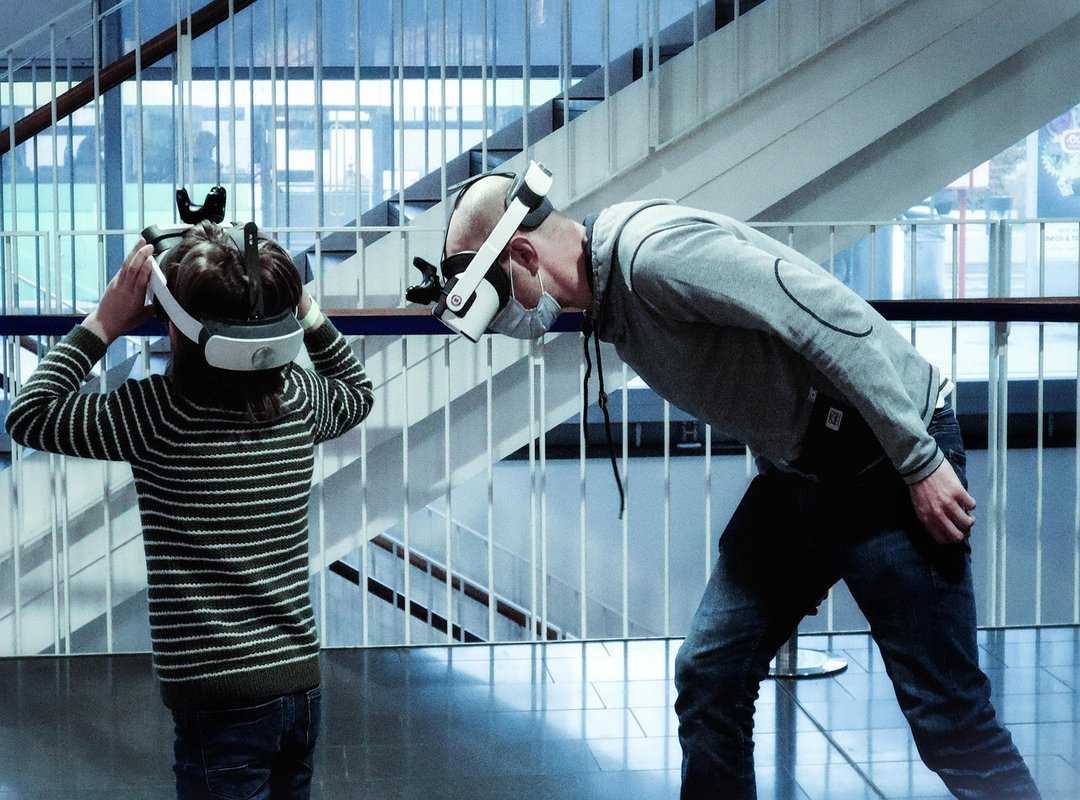
Ever finish a game and feel like you’re waking up from a dream? That’s the magic of truly being immersed. But let’s be honest: ‘immersive’ is thrown around like cheap confetti in marketing.
What does it really mean in 2024? I’m here to cut through the noise. With years of dissecting game mechanics, I know what separates a fair challenge from frustration.
We’ll explore what creates these experiences, from tech to clever psychological tricks.
And don’t forget virtual reality gaming (it’s) a game-changer. You’ll soon have a clear system for spotting deep immersion. I’m not just pulling this from thin air; I’ve spent countless hours analyzing what hooks gamers.
By the end, you’ll understand what makes you lose track of time and reality.
Beyond the Buzzword: The Real Pillars of Immersion
When I talk about immersion in virtual reality gaming, I’m not just throwing around buzzwords. Immersion is a state of flow. It’s when the lines between you and the game blur.
You know, where you lose track of time because you’re so absorbed? That’s what real immersion feels like.
Let’s break it down into three pillars: Presence, Engagement, and Narrative. Sounds simple, right? But each has its own details.
First up, Presence. This is the sensory trickery our brains fall for. High-fidelity graphics and killer sound design make the game world tangible.
It’s like when the rain in a game makes you feel cold (even) though you’re sitting in your warm living room.
Then there’s Engagement. The gameplay loop (the) core mechanics (needs) to be spot on. Ever been so into a boss fight that you forget you’re holding a controller?
That’s engagement. The challenge and reward balance is key here.
And finally, Narrative. This is where emotion kicks in. A compelling story with believable characters?
That’s the hook. It’s the difference between just playing a game and feeling like you’re part of it. Like making choices that actually matter.
Want to dive deeper into this? Check out the esports 2024 tournaments players for upcoming events where these elements really shine.
So, does virtual reality gaming achieve real immersion? When all three pillars are in place, it absolutely can. But you’ll only know if you try it yourself.
Brain Tricks: Hardware’s Role in Immersion
to how tech gets our brains to believe we’re somewhere else. Ever tried virtual reality gaming? VR really shines.
It hijacks your senses. With 1:1 head tracking and motion controls, you’re not just pressing buttons. You’re swinging swords and reloading weapons, just like in real life.
Think about “Half-Life: Alyx” (you) physically reload weapons. It’s not just cool, it’s big.
But audio doesn’t get enough love, does it? Spatial and 3D audio create worlds you can hear. Imagine playing a horror game like “Hellblade: Senua’s Sacrifice” and hearing footsteps behind you.
Chills, right? It’s that creepy sense of something lurking just out of sight.
Now, let’s talk about touch. Haptic feedback is more than a simple rumble feature. Take the PS5’s DualSense controller.
You can feel textures with it. Pulling back a bowstring or feeling the tension in a trigger makes gaming tactile. Your hands actually sense the game world.
High-fidelity visuals? Sure, they’re pretty. But pretty isn’t the point.
It’s about creating environments that feel real. Ray tracing is a game changer for light and shadow. It makes the virtual space solid and believable.
Light in a game should bend and twist like it does in reality, giving depth to a flat screen.
The future’s headed for even deeper immersion. What if gaming tech could tap into your emotions directly? Imagine a game that adjusts to your heartbeat.
Or one that knows when you’re scared and ramps up the tension accordingly. That’s where we’re headed. The tech is catching up with our imaginations, making those sci-fi dreams a reality.
Do you ever think about where this tech is leading? It’s exciting, and a bit terrifying. What happens when the line between reality and virtual blurs even further?
It’s a brave new world for gaming. Dive in and see where it takes you.
More Than Just a Headset: The Magic of Game Design
Let’s not kid ourselves. Virtual reality gaming isn’t just about strapping on a fancy headset and calling it a day. No, it’s all about game design.

That’s where the real magic happens. Forget the hardware for a minute. Think about how a well-crafted game loop can lock you into that hard to find “flow state.” You know, where time just evaporates because the control scheme becomes second nature.
Games like ‘Elden Ring’ challenge you in a way that feels fair. Master the mechanics, and you’re in.
Ever noticed how some games suck you in without saying a word? ‘The Witcher 3’ does this brilliantly. It’s world-building at its finest. Stories seep from each environment, making exploring feel like unraveling a mystery. ‘Red Dead Redemption 2’ nails this, too.
Suddenly, you find yourself believing in a world that lives and breathes even when you’re not around. That’s environmental storytelling for you.
Now, let’s talk about choice. Real, impactful choice. Linear narratives can feel like you’re just going through the motions.
But give players meaningful options, and they’re hooked. Their actions have weight, affecting the world around them. It’s this branching narrative that leaves players feeling like their role matters.
Don’t even get me started on the cluttered user interface some games throw at you. Nothing kills immersion faster. Minimalist UI is where it’s at.
Keep the screen clean, and let the world take center stage. Who cares about a health bar when there’s a whole universe to explore?
If you’re curious about gaming trends beyond VR, you might want to check out this guide. But seriously, it’s the craftsmanship in game design that pulls us in. Not the flashy hardware.
Agree or disagree? Either way, let’s keep the focus on what truly matters.
Immersive Game Experiences: A Deep Dive
Let’s talk about some games that really get it right. First up, Half-Life: Alyx. This game is a masterclass in virtual reality gaming.
You feel the weight of every object you pick up, thanks to its environmental physics. It’s like you’re really there, dodging headcrabs and solving puzzles.
Then there’s Sekiro: Shadows Die Twice. This game demands your full attention. Its combat system is tough but fair.
You’re constantly in a “flow state,” which makes every victory all the more satisfying. You don’t just play; you engage deeply.
Finally, Disco Elysium. Ah, the narrative here is something else. You inhabit your character’s mind completely.
Every choice you make impacts the story, pulling you deeper into the world. It’s not just about playing a role; it’s about experiencing a life.
These games show different paths to immersion. Each one nails it in its own way. They remind us why we love gaming.
Dive In and Get Lost
Feeling trapped in the endless marketing hype of games that promise the world but deliver empty pixels? I get it. We all crave that true immersion where tech, design, and story come together perfectly.
Here’s the good news: you now know the pillars of Presence, Engagement, and Narrative. You’ve got the roadmap to spot those standout titles yourself. No more guessing.
Think about your last great gaming session. What made it unforgettable? Share your most immersive experiences in the comments.
Or dig deeper. Check out our other articles where we break down game mechanics and strategies. Want the best in virtual reality gaming?
We’re the #1 rated source for cutting through the noise. Start exploring now. Don’t just play.
Experience.
 Troy Brookshireynolds has opinions about core mechanics and campaigns. Informed ones, backed by real experience — but opinions nonetheless, and they doesn't try to disguise them as neutral observation. They thinks a lot of what gets written about Core Mechanics and Campaigns, Expert Insights, Hell-Level Game Challenges is either too cautious to be useful or too confident to be credible, and they's work tends to sit deliberately in the space between those two failure modes.
Reading Troy's pieces, you get the sense of someone who has thought about this stuff seriously and arrived at actual conclusions — not just collected a range of perspectives and declined to pick one. That can be uncomfortable when they lands on something you disagree with. It's also why the writing is worth engaging with. Troy isn't interested in telling people what they want to hear. They is interested in telling them what they actually thinks, with enough reasoning behind it that you can push back if you want to. That kind of intellectual honesty is rarer than it should be.
What Troy is best at is the moment when a familiar topic reveals something unexpected — when the conventional wisdom turns out to be slightly off, or when a small shift in framing changes everything. They finds those moments consistently, which is why they's work tends to generate real discussion rather than just passive agreement.
Troy Brookshireynolds has opinions about core mechanics and campaigns. Informed ones, backed by real experience — but opinions nonetheless, and they doesn't try to disguise them as neutral observation. They thinks a lot of what gets written about Core Mechanics and Campaigns, Expert Insights, Hell-Level Game Challenges is either too cautious to be useful or too confident to be credible, and they's work tends to sit deliberately in the space between those two failure modes.
Reading Troy's pieces, you get the sense of someone who has thought about this stuff seriously and arrived at actual conclusions — not just collected a range of perspectives and declined to pick one. That can be uncomfortable when they lands on something you disagree with. It's also why the writing is worth engaging with. Troy isn't interested in telling people what they want to hear. They is interested in telling them what they actually thinks, with enough reasoning behind it that you can push back if you want to. That kind of intellectual honesty is rarer than it should be.
What Troy is best at is the moment when a familiar topic reveals something unexpected — when the conventional wisdom turns out to be slightly off, or when a small shift in framing changes everything. They finds those moments consistently, which is why they's work tends to generate real discussion rather than just passive agreement.